Itinerary
This is not a a touristic holiday. It is a soul pilgrimage—a journey of remembering, activation, and alignment with your authentic truth.
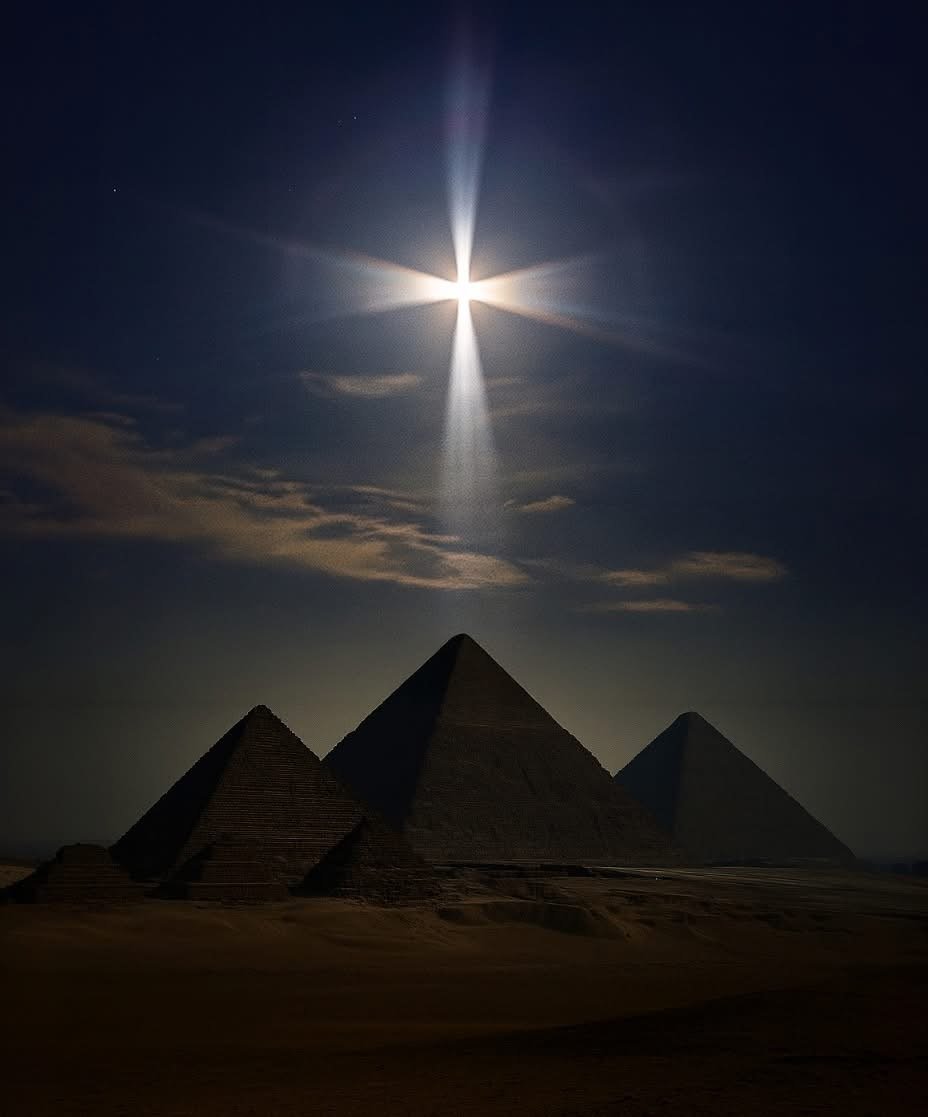
At the time of the Equinox—when day and night are equal and a new astrological year begins—we gather in Egypt’s most powerful portals: facing the Sphinx, pyramids, and temples to awaken ancient codes of wisdom and universal guidance within.

Day 1 (Saturday 21 Mar): Arrive to Cairo
Your tour manager will meet and assist you at Cairo International Airport and then check you into steigenberger hotel Hotel where you can see the pyramids in Cairo. Please note that we will have an informal welcome gathering at 6pm at the hotel. If possible, please choose the arrival time to allow yourself to settle down before we gather.
Day 2 (Sunday 22 Mar): flay to Aswan
Early morning after breakfast, we will Flay to Aswan we will enjoy our visit to Isis Temple and enjoy our meditation and ritual the temple Isis located on an island stands alone in the water. We will get on motorboat to reach the temple with a 10 mins ride. Here at Philae Temple, we connect to the source of all, the Great Divine Mother, Isis, to receive her blessings. This island represents a fusion of three great civilizations - Egyptian, Greek and Roman. The presence of Isis is palpable in the inner sanctum, the Holy of Holiest of her temple. This ceremony will uplift and awaken your soul - it is often many guests’ favorite spot in all of Egypt. Return to hotel.In the afternoon, we will enjoy free time (Aswan Market or chill). Aswan Souk is a colorful bazaar that offers Egyptian and African goods, locally known as Sharia as-Souq. It is the cheapest place to buy souvenirs in Aswan. Located about four blocks from the Nile and running about 7 blocks in parallel to the river, the bazaar has plenty of Egyptian and African goods. Traders sell a wide variety of goods such as perfumes, peanuts, henna powder, dried hibiscus flowers, spices, T-Shirts and custom made Ancient Egyptian styled souvenirs. In the side alleys, you will find traders selling Nubian artifacts such as skullcaps, talismans and baskets, Sudanese swords, spices and carpets, and stuffed animals such as crocodiles. Dinner on board, sail on the Nile by Felucca around Kitchener’s Island & Agha Khan at night. Have fun and enjoy the night entertainment of the Nubian Folkloric show and integrate. Overnight in Pyramisa Hotel Aswan
Day 3 (Monday 23 Mar ): drive to Luxor Visit Kom Ombo, Visit to the Temple of Horus Edfu
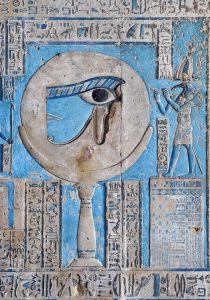
This morning after breakfast we will drive to luxor visit the Temple of Komombo at the Navel Chakra. This temple is dedicated to two gods, Sobek and Ra Hr. Akhty. Sobek is the crocodile god who represents the Lower Self, and the God Ra Hr. Akhty - Horus, who is in the heaven represents the Higher Self. This temple holds the Atlantic Energy. If you are ready for this experience you will detach from the struggles between own higher and lower selves, which is to let go of fear and negativity, as we see the struggle between the higher and lower selves depicted on the temple walls. And drive to visit Edfu Temple. As we move to Edfu, we see the struggle of good and bad through the story of Isis, Osiris, Set and Horus. Horus is associated with higher vision and clarity. The eye of Horus greatly relates to his myth and power. The left eye represents the lunar, the moon, the intuitive, the feminine energy. The right eye is connected to the solar, the masculine, the action, and the yang energy. Both are necessary for true power to exist.Horus was married to the Goddess Hathor, and his temple is a mirror image of Dandera, dedicated to Hathor (another example of this balance of the divine feminine and masculine). In a private ceremony, we will work with balancing the lunar and the solar energies inside of us and awaken our intuitive centers to call in a higher perspective. At Edfu Temple you will connect with your hidden emotions. We will visit the sanctuary in the rear of the temple - temple of Horus – his energy is still very preserved. Then visit Esna temple which held a special place among the holiest temples of ancient Egypt, as it represents one of the main aspects of ancient Egyptian life. The temple is an absolutely beautiful piece of remarkable and enchanting architecture. The temple is dedicated to the ram-headed deity Khnum, the god of the source of the Nile river, his wife Menhit, and son Hek, plus the goddess Neith, the ancient goddess of war and weaving. arrive Luxor overnight at winter palace pavilion hotel .
Day 4 (Tuesday 24 Mar): Visit Karnak Temple & Luxor Temple
In the morning, will visit the magnificent Karnak Temple. Karnak is the biggest temple complex in Egypt and it is a very special place. It is dedicated to the God Amun and Mut. As you enter, you walk between rows of rams-headed sphinxes, which originally connected Karnak with Luxor Temple three miles away. Take some time to visit the sacred lake of Karnak, ask for purification and place your intention in your mind's eye into the lake. Outside the main halls is a small chapel dedicated to Goddess Sekhmet, her consort Ptah and their son Nefertum. Sekhmet is the lioness Goddess of compassion and courage. She is associated with feminine fire and healing through destruction. She is a renowned healer and known for her magic and ability to hunt down an imbalance at its origin. In a potent private initiation, we will honor the Goddess and receive the gift of courage to be our authentic selves. Early evening will visit of Luxor Temple. An ancient sanctuary surrounded by honking taxis, touts, and strolling families. Luxor Temple’s grandeur has endured more than 3,000 years on the East Bank of the Nile. Linked to Karnak Temple via the Avenue of Sphinxes, Luxor Temple boasts soaring colonnades, elaborate columns, statues, and images of Amenhotep III and Ramses II. We will work with the brilliance of our human body. Here, we are able to see that this temple is built in the form of a human body - the outer layers represent the feet and as we move deeper into the temple, we move towards the head, where the Holy of Holies, the inner sanctuary is located. This is a wonderful place to focus on physical healing. As you walk through the body of this temple, notice how your body feels, as it heals and realign to your radiant health. overnight at winter palace pavilion hotel .

Day 5 (Wednesday 25 Mar ): Visit Dandera Temple / Abydos
We start today with visit The Dandera Temple Complex, a place of pilgrimage and healing.
Think of Dandera as a one stop hospital where various physiological and psychological conditions were treated using up to date therapies including magical spells, dreams and cleansing rituals. Offering was made to the goddess in front of the inner sanctuary. Holy water flowing over magical inscriptions on the base of the stature of the goddess is thought to play a part in the healing process. The Dandera Temple complex is located 60 kms upstream from Luxor. Covering an area 40,000 square meters, the complex is surrounded by a mud brick wall. What you see dates from the Ptolemaic and Roman eras, but it was a site for chapels and shrines from earlier times. The Dandera Temple Complex was a place of pilgrimage and healing. Patients seeking a cure were housed in hospitals (sanatorium) where they could be treated. Some people think that spiritual healing was a key feature of the treatment. It is the thought that miraculous cures were attributed to Hathor the Goddess of love, healing, and fertility.
The Dandera Temple complex consists of: Temple of Hathor (the main temple), Birth of Isis Temple, Sacred Lake, Sanatorium, Mammisi of Nectanebo II (birth house), Christian Basilica, Roman Mammisi (birth house), a Barque shrine, Gateways of Domitian and Trajan, a Roman Kiosk. Today, the Dandera Temple Complex resonates with the chirps of birds that make their home in cracks and ledges in the temple walls. Wander around this Holy Place and contemplate your own mortality.
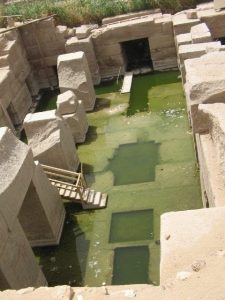
And then visit Abydos Temple to enhance your spiritual experience in this sacred site. This is a magical temple complex and includes the Osirian which is a monolithic type structure clearly dating back to pre-Pharaonic times. Here we will see the Flower of Life carved into the wall of the Osirian (believed to be the oldest one in the world). Because of the remote location of Abydos, few tourists visit, and the temple energy is very pure- a special gift indeed. drive back to luxor overnight at winter palace pavilion hotel .
Day 6 (Thursday 26 Mar): Hot Air Balloon Ride & Visit Hatshepsut Temple & king valley
Wake up early morning in Luxor for hot air balloon ride, an exciting experience on a sunrise. We will ride high over the famous monuments of Luxor we will get aerial views and photo opportunity as our private guide provides insightful narrative. Landmarks include Queen Hatshepsut's Temple and Karnak, among other important structures. Flight certificate and souvenir at the end of the ride. After breakfast, will continue exploring the surrounding archeological wonders, including the Temple of Queen Hatshepsut (Deir el Bahari), the Colossi of Memnon.
We will proceed to visit to the Temple of Queen Hatshepsut, known as Deir el Bahari, which was built by Queen Hatshepsut, the only Pharaonic woman who reigned ancient Egypt. Then continue our day tour to The Colossi of Memnon which are remains of the mortuary temple of Amenhotep III. The Colossi of Memnon are two enormous statues of 18th Dynasty Pharaoh Amenhotep III originally designed to guard his mortuary temple, located on the western bank of the Nile, opposite Luxor. These two faceless colossi (the plural of colossus, which just means larger-than-life statue) are the first thing visitors see when they reach the west bank of the Nile opposite Luxor. This is not surprising when you hear their dimensions: 60 feet (18 m) above the plains and are estimated to weight an enormous 720 tons each.
We will proceed to visit The Valley of the Kings remains one of the most extraordinary archaeological landscapes on Earth—a silent desert valley that once guarded the eternal resting places of Egypt’s most powerful rulers. Located on Luxor’s West Bank, this timeless necropolis has fascinated explorers, historians, and travelers for centuries. With its maze of rock-cut tombs, vibrant wall scenes, and deep spiritual symbolism, the valley offers a rare chance to step directly inside the Valley of the Kings and witness the beliefs and craftsmanship of the ancient world.

Day 7 (Friday 27 Mar ): Giza Pyramid & The Great Sphinx of Giza
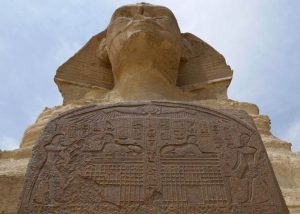
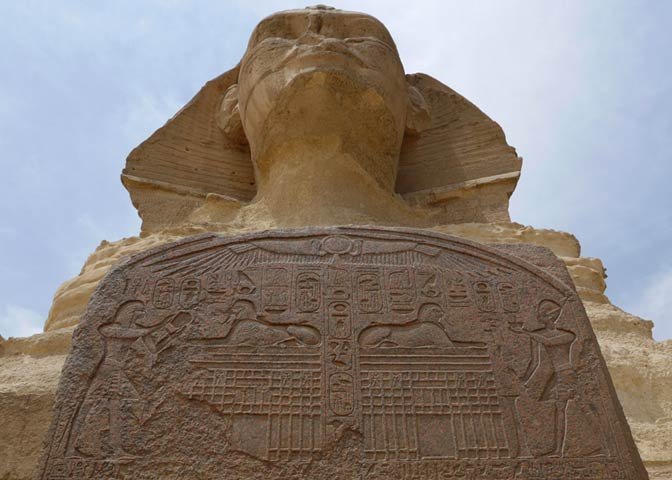
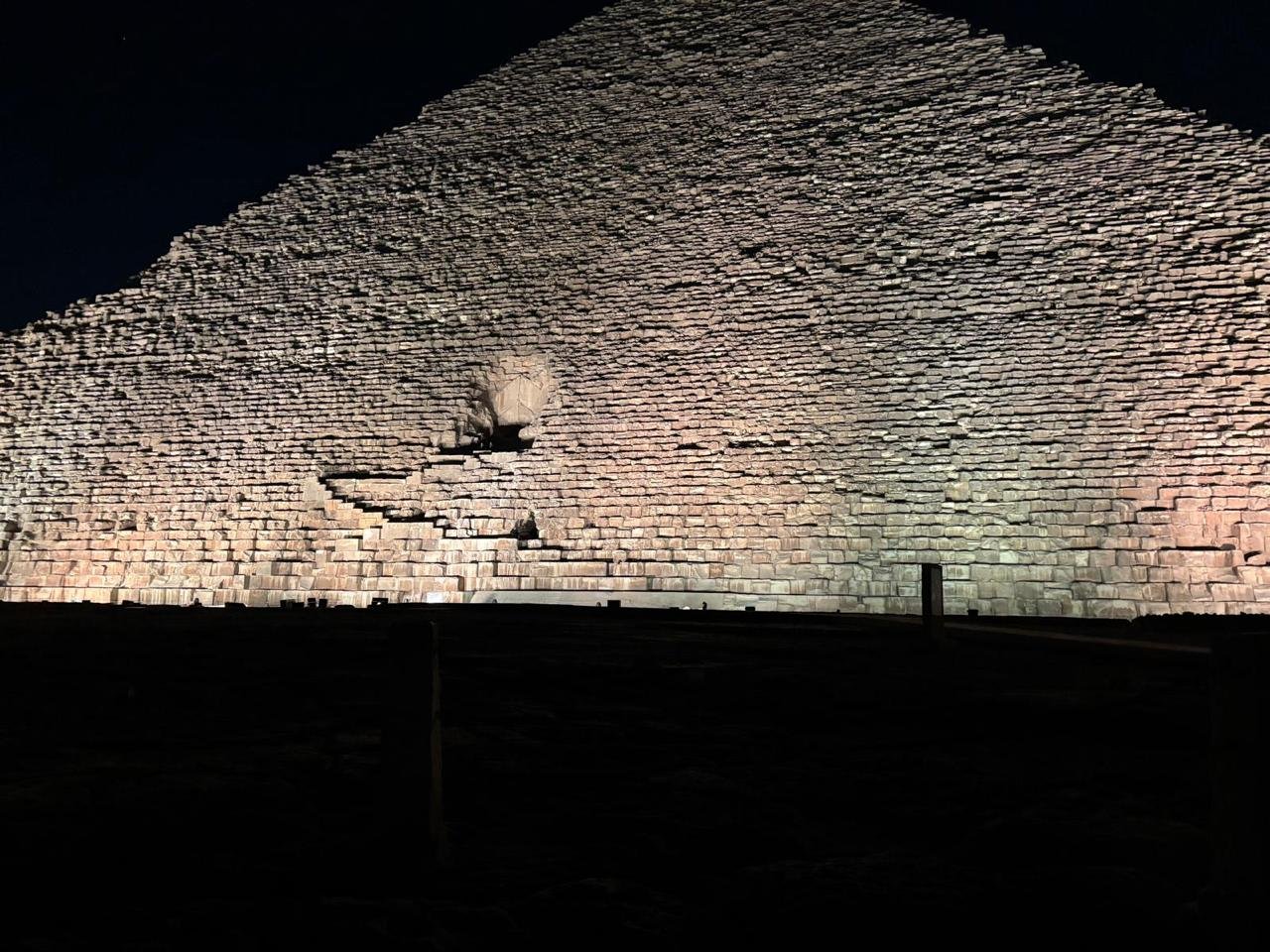
In the morning, we will visit the Great Pyramid with a culminating initiation in the King’s Chamber. We will enjoy the entire great pyramid of Giza for .After that we will visit The Great Sphinx of Giza. The Great Sphinx stands on the plain of Gizeh in Egypt, communicating its message of love, devotion, and overcoming as it has done for the past six thousand years. The message it carries is timeless: It is the Sphinx’s love for God which causes an inner victory over the lower forces of its own nature. This message is captured both in the Sphinx’s construction and its orientation. It is an enormous stone sculpture of a mythical creature with the head of a man on the body of a lion. It is one of Egypt's oldest and most emblematic monuments.
The Great Sphinx is surrounded by mysteries. The enigmatic Sphinx measures 66 feet (20m) in height and 240 feet (73m) in length from paw to tail and represents a mystical creature with the body of a lion and the head of a human man. Despite its name in Arabic, which translates as "The Father of Dread", the sphinx of Ancient Egyptian mythology is considered to have been a symbol of strength, intelligence and benevolence. The Great Sphinx of Giza is one of the greatest mysteries of Ancient Egypt, as it is still unknown exactly when it was built, by whom, and for what reason. Most historians and archaeologists agree that it was probably built around 2500 BCE as part of Khafre's funerary complex - probably as a guardian of his tomb - and that the sphinx's face is therefore a likeness of the 4th dynasty Pharaoh. Adding to the secrets that shroud the Sphinx is speculation on the disappearance of its nose. Visibly missing - it would have measured over three feet (1m) wide. Overnight steigenberger hotel Hotel
Day 8 (Saturday 28 Mar ): visit Sakkara
In the morning we travel to Sakkara, where we visit the remarkable Step Pyramid of Djoser, and its temple of sound and healing. Sakkara was masterminded by Imhotep, the high priest, vizier, and architect to King Djoser during Dynasty III. This magnificent site includes other Old Kingdom tombs, among them those that hold the earliest known hieroglyphs, the Pyramid Texts that were the model for the Egyptian Book of the Dead. Over night steigenberger hotel Hotel
Day 9 (Sunday 29 Mar ): Final Departure
We transfer to Cairo Airport for final departure. Our memories will last a lifetime, and our transformations carry the new energies back with us.